Zakat

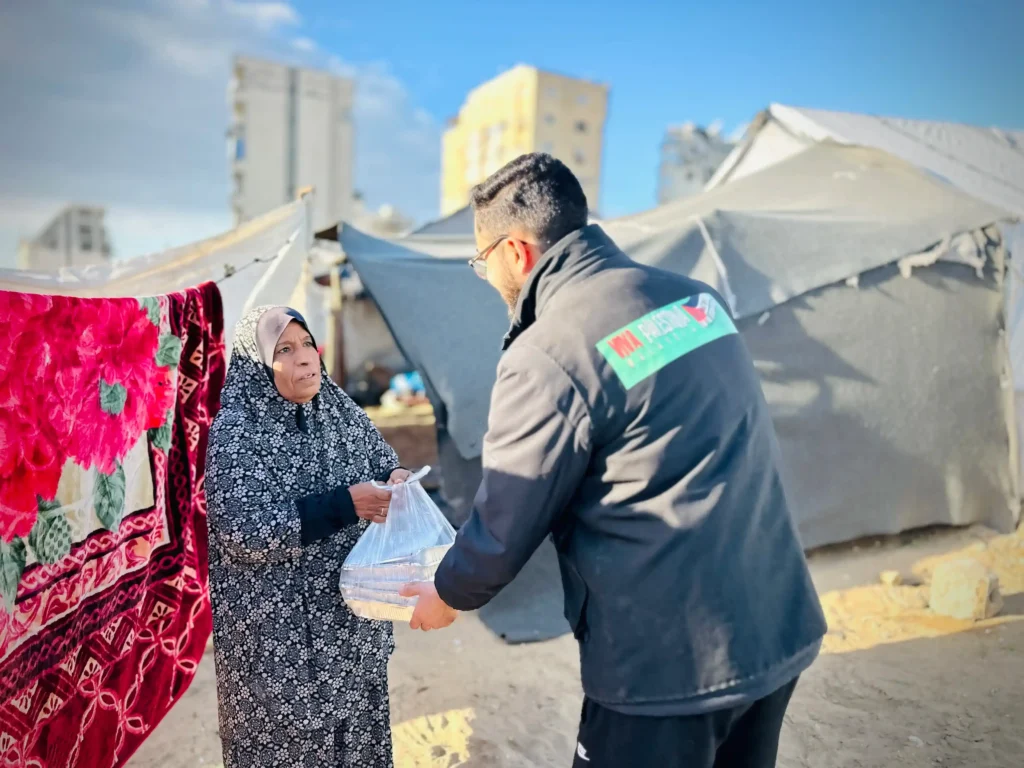
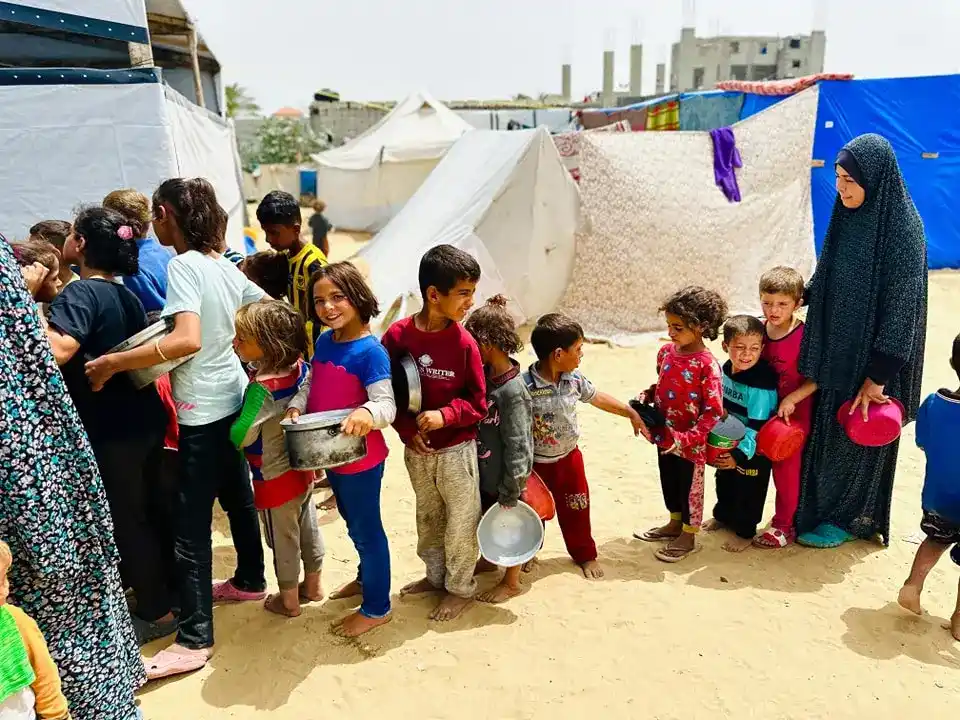
An annual obligation, Zakat is given by eligible adult Muslims whose wealth exceeds the Nisab threshold for a full lunar year. It directs essential support to those in need, both locally and across the globe.

The Blessing of Giving Zakat

“Zakat is only for the poor, the needy, those employed to collect it, those whose hearts are to be reconciled, freeing captives, those in debt, in the cause of Allah, and the traveler. An obligation from Allah. And Allah is All-Knowing, All-Wise.” (At-Tawbah 9:60)

Want to learn more about our Zakat Projects ?

Our team will happily answer any questions you have about our current projects and how you can support our water programming around the world. Email us at vpmalaysia@gmail.com, or give us a call at (60) 18-913-5849 Also check out our FAQ below!

What are 2 types of Zakat ?


The two main types are: 

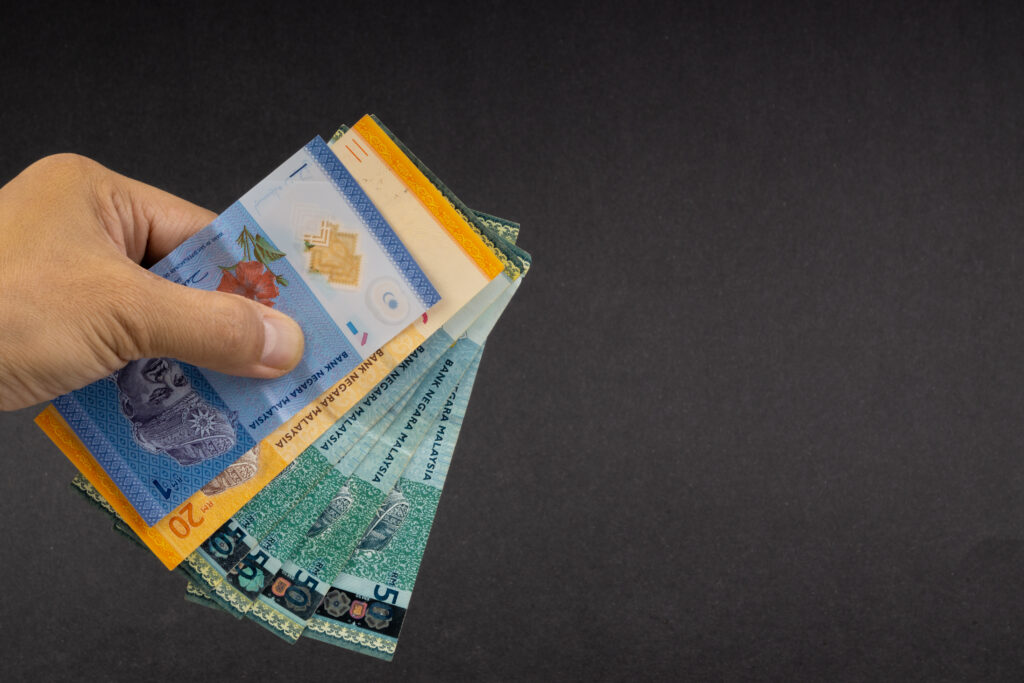
  • Zakat Al-Mal, is translated to ‘the Zakat of wealth’ and is commonly referred to as Zakat. It refers to the pillar of Islam stating that every sane, adult Muslim who owns wealth over a certain amount – known as the Nisab, must pay 2.5% of that wealth.

  • Fitrana or, Zakat al-Fitr, is a charitable donation of food that must be given before Eid prayer, before the end of the month of Ramadan, for the love of Allah.

Rules of Zakat

Who is eligible for zakat

Zakat must be given to specific categories defined in Islam:

  • The poor
  • The needy
  • Zakat administrators
  • Those whose hearts are to be reconciled
  • Those in bondage or captivity
  • Those in debt
  • In the cause of Allah
  • Travelers in need

How much zakat do i need to pay ?

Zakat is calculated based on different types of wealth:

  • 2.5% on savings and eligible assets
  • 5% on irrigated agricultural produce
  • 10% on rain-fed crops
  • 20% on certain natural resources and valuables

What happens if you don’t pay Zakat ?

It is one of the five pillars of Islam, a fundamental tenet of the religion, there are serious consequences for not paying it if you are eligible to do so. As well as facing punishment in the next life, withholding Zakat can also lead to a lack of barakah (blessings) in your wealth and life. 

Frequently Asked Questions

No, it is only prescribed for Muslims.

Zakat beneficiaries